A Shift Toward Meaningful Learning
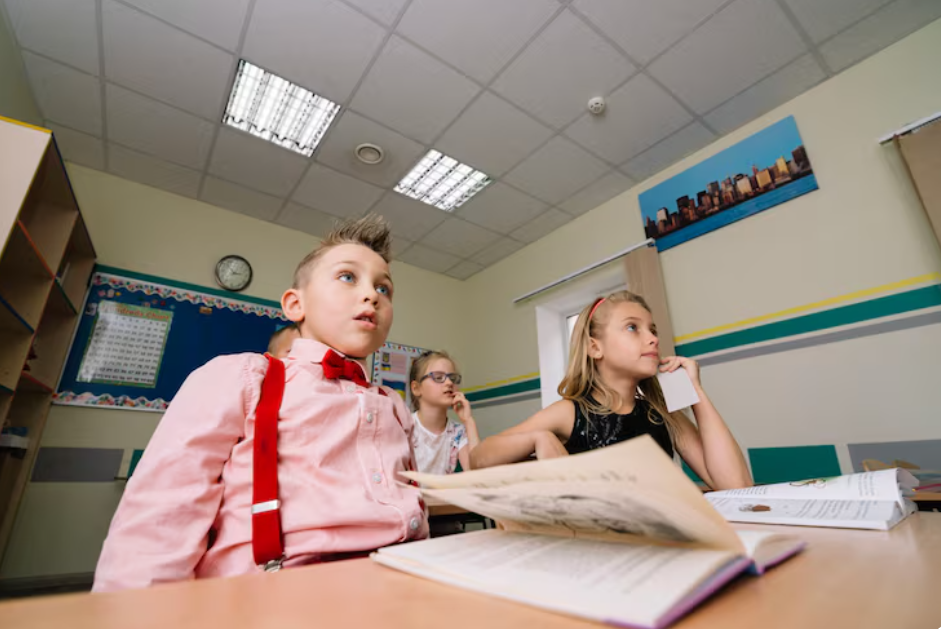
Education is undergoing a quiet but powerful transformation. Families are increasingly looking beyond traditional classrooms toward environments that prioritize curiosity, flexibility, and real understanding. Lighthouse Learning Microschool represents this shift by focusing on small groups, strong relationships, and learning experiences designed around the child rather than a rigid system. This approach answers a growing need for education that feels human, supportive, and relevant in a rapidly changing world.
Personalized Attention at the Core
One of the most significant ways Lighthouse Learning Microschool is changing classrooms is through true personalization. Instead of one teacher managing dozens of students at once, microschools operate with intentionally small class sizes. This allows educators to understand how each student learns best. Lessons are adapted to individual strengths, challenges, and interests, making learning more engaging and effective. Students are not pressured to move at the same pace, which builds confidence and encourages deeper understanding.
Learning Beyond Textbooks
Modern classrooms are no longer limited to textbooks and memorization. Microschools emphasize project-based learning, hands-on activities, and real-world problem solving. Students might explore science through experiments, learn math through practical applications, or build communication skills through group discussions and presentations. This style of learning helps students connect concepts to everyday life, making education feel purposeful rather than abstract.
Strong Relationships Build Confidence
Another key change lies in relationships. When students feel seen and heard, they are more willing to take risks and ask questions. Teachers in microschools act as mentors and guides rather than distant authority figures. This creates a safe environment where mistakes are part of learning, not something to fear. Over time, students develop stronger self-esteem and a sense of ownership over their education.
Flexible Structure for Modern Families
Traditional school schedules often struggle to meet the needs of modern families. Microschools introduce flexibility in timing, pacing, and curriculum design. Learning can adapt to a student’s rhythm, whether they need extra time in one subject or are ready to advance quickly in another. This adaptability supports both academic growth and emotional well-being, reducing stress for students and parents alike.
Focus on Skills That Matter
Academic knowledge remains important, but today’s world also demands critical thinking, collaboration, and adaptability. Microschools place strong emphasis on these life skills. Students work together on projects, learn to communicate ideas clearly, and practice problem solving in meaningful contexts. These experiences prepare learners not just for exams, but for future careers and lifelong learning.
Community-Based Education
Microschools often feel more like learning communities than institutions. Families, educators, and students collaborate closely, creating a shared sense of purpose. This community connection encourages accountability and mutual respect. Parents are more involved in the learning journey, and students benefit from consistent support both inside and outside the classroom.
Technology as a Learning Tool
Rather than replacing teachers, technology is used thoughtfully to enhance learning. Digital tools help personalize lessons, track progress, and provide access to a wide range of resources. Students learn how to use technology responsibly and creatively, an essential skill in today’s digital world. This balanced use of technology keeps learning interactive without becoming overwhelming.
Preparing Students for the Future
The classroom of the future is not defined by rows of desks or standardized routines. It is defined by adaptability, curiosity, and meaningful engagement. Lighthouse Learning Microschool shows how education can evolve to meet these ideals by putting students first and designing learning around real needs. Through personalized instruction, strong relationships, and practical skill building, this model is shaping confident learners who are ready for the challenges ahead.